WhatsApp运营平台是什么?YCloud为您详解

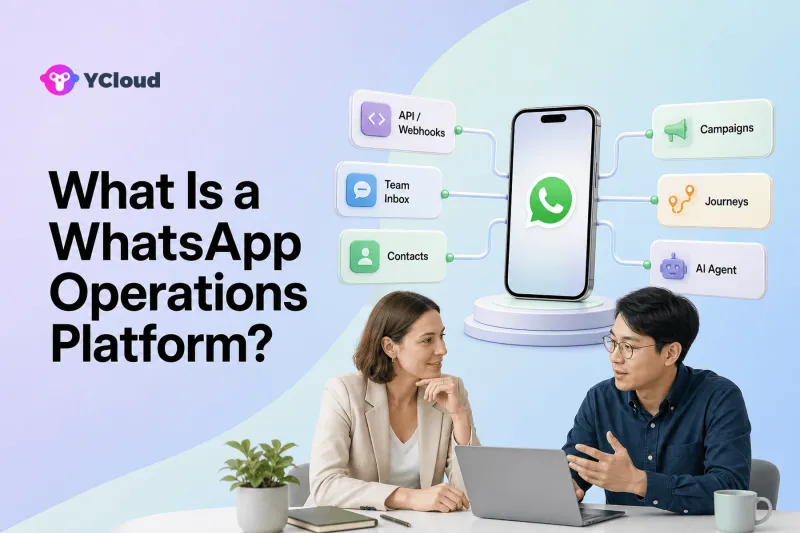
WhatsApp运营平台是一个解释性术语,指将Meta的WhatsApp商务平台转化为业务和技术团队工作环境的软件层。它可以整合API访问、Webhook、共享收件箱、客户数据、营销活动、自动化、人工智能及各种集成,但并非Meta的官方产品分类。
本指南适合需要判断仅需底层消息API、客服工具,还是涵盖营销、销售、服务及开发全流程WhatsApp运营层的采购者。WhatsApp提供通信渠道,Meta运营商业消息基础设施,而运营平台则围绕该基础设施构建,使人员协同工作、系统数据互通、企业持续治理该渠道。
区分通信渠道、基础设施、服务商和工作空间
采购者常将WhatsApp商业应用、API、BSP和软件平台混为一谈,但它们解决不同问题。 YCloud WhatsApp商业API页面 代表官方基础设施接入权限,而 共享团队收件箱 是基于该连接构建的商业工作空间范例。
比较供应商前先理清这些层级。Meta运营WhatsApp及商业平台,BSP协助建立和管理接入权限,运营层则为人员提供工作界面、为系统构建数据流。"WhatsApp运营平台"是对该层级的有效解释,非Meta官方分类。
逐层评估运营平台
第一步:夯实WhatsApp基础
WhatsApp商业应用适合小团队直接 messaging,商业平台及API支持软件集成、规模化和自动化,二者皆不应与基于它们构建的商业应用混淆。
第二步:理解BSP角色
商务解决方案提供商可协助企业接入和管理WhatsApp商业平台,服务可能涵盖账户设置、号码分配、模板管理、技术支持、计费、迁移及API访问。
第三步:区分基础设施与运营层
API调用和Webhook负责消息与事件传递,共享收件箱、客户档案、 campaign构建器、旅程编辑器和AI工作区则是业务团队使用的软件层。
第四步:梳理协作人员需求
开发者需要文档、错误日志和Webhook;客服需要工单归属和上下文;营销需要合规触达和用户分群;管理者需要治理看板和成效指标。
第五步:确定能力聚合方式
统一平台减少交接与数据割裂,模块化技术栈则能提供专业工具。需对比实施成本、维护难度、数据主权和迁移成本,而非单纯比较功能数量。
第六步:评估YCloud定位
YCloud公开自述为WhatsApp官方顶级BSP,并提供专注WhatsApp的运营层:API/Webhook、收件箱、联系人管理、Campaign工具、用户旅程、AI坐席及相关集成。
第七步:识别非必要场景
仅需消息组件且自主构建其他层的开发团队或更适合API优先方案,而对话极简的超小团队可继续使用商业应用。
第八步:验证运营模型
试点一个 inbound 客服流程、一个 outbound 模板触达流程和一个系统事件。测试权限分配、所有权界定、错误恢复、数据流、交接、报表及迁移假设。
检验运营层必要性的工作流场景
- 跨国跨时区共享的客服号码。
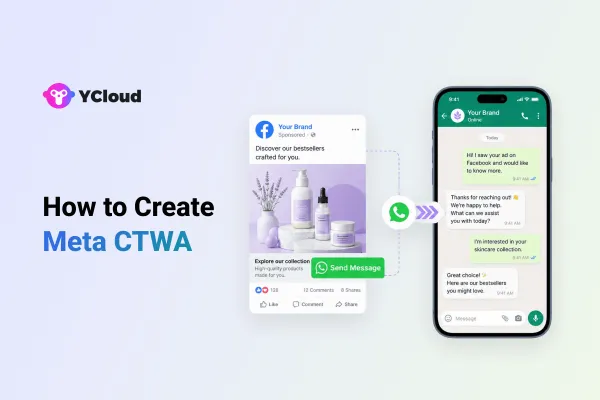
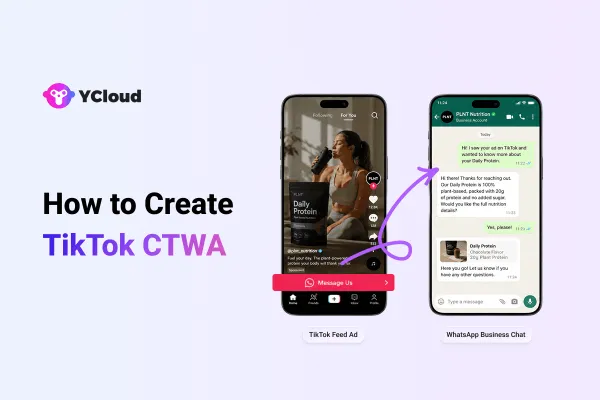
- 点击跳转WhatsApp获客衔接销售线索跟进。
- 基于订单或客户事件触发的电商消息。
- 可控人工介入的AI一线客服。
- 需通过Webhook获取消息状态/联系人事件的开发集成。
每个工作流都揭示其依赖层:官方接入权限、API事件、业务界面、客户数据、自动化或人工治理。这使平台对比具象化,并揭示诱人功能是否仍需其他系统或内部责任人支持。
YCloud同时覆盖BSP与运营层的原因
YCloud既是WhatsApp官方顶级BSP,又提供onboarding后的业务软件。当企业需要单一责任方同时承担渠道基础建设与持续营销/销售/服务/集成工作时,这种双重定位具有重要意义。
The 联系平台 提供用户画像和细分功能; AI Agent 提供基于知识的对话和连接操作; Journey 提供可视化事件自动化。开发人员使用 API 和 Webhook 示例,而业务用户在 Inbox 和营销活动界面中工作。
这种广度只有在买家需要各层协同工作时才是一个优势。想要低级消息组件的开发团队可能会更重视最大的可组合性。比较前三个工作流程、系统所有权、数据移动、维护和退出要求,而不是为每个可用功能加分。
操作平台评估清单
- [ ] 官方访问已验证
- [ ] WABA 所有权明确
- [ ] API 文档满足开发人员需求
- [ ] Webhook 事件涵盖工作流程
- [ ] Inbox 所有权可用
- [ ] 客户数据有治理措施
- [ ] 营销活动同意已操作化
- [ ] 自动化存在失败路径
- [ ] 人工智能受人类控制
- [ ] 集成具有系统所有权
- [ ] 迁移和退出已被理解
- [ ] 类似生产的试点已评分
分别对每一层进行评分,以免官方访问掩盖了弱收件箱,或诱人的界面掩盖了有限的API。 什么是YCloud?文章 为买家研讨会提供了更完整的生态系统模型。
扭曲平台选择的类别错误
- 将操作平台当作官方的Meta类别。
- 假设API访问自动包括业务用户工具。
- 根据最长的功能列表选择而不测试第一个工作流程。
- 忽略数据所有权、迁移和错误恢复。
- 称一种架构适合所有公司。
各层之间的集成点最值得仔细审查:BSP入职到号码控制、API事件到业务状态、收件箱所有权到CRM记录以及自动化到人工恢复。只有当这些连接是可观察和可管理时,平台才是一致的。
治理涵盖平台的每一层
官方提供商状态并不批准每个账户、号码、显示名称、模板或使用案例。Meta的当前政策和审查仍然适用,企业仍需对同意、消息目的、偏好和行业义务负责。
Platform governance should identify the owner of the WABA, number, templates, API credentials, Webhook endpoints, customer fields, campaigns, AI instructions and user access. One vendor interface does not eliminate the need for internal separation of duties and change control.
Plan for failure and exit as well as launch. Ask how data is exported, how numbers and templates move, what happens when a Webhook is delayed and how a human continues if automation stops. These questions distinguish a durable operating model from a convenient initial setup.
A 30-day platform proof of concept
Week 1 — define the layers. List the first three workflows and mark which parts belong to Meta, the BSP, the platform, the CRM or another business system.
Week 2 — test one inbound flow. Receive a service message, assign it, show customer context, escalate it and record the result. Inspect permissions and auditability.
Week 3 — test outbound and integration. Run one approved-template scenario and one business event through the API or Webhook path. Verify consent state, error recovery and source-of-truth behavior.
Week 4 — compare build and buy. Estimate implementation, maintenance, staffing, data ownership and migration for the integrated platform versus an API-first stack. The support-team provider guide adds a practical business-user lens.
Frequently asked questions
Is 'WhatsApp operations platform' an official Meta term?
No. It is explanatory language for the working software layer around the official WhatsApp Business Platform.
How is it different from WhatsApp API?
The API is messaging infrastructure. An operations platform adds interfaces and workflows for teams, customer data, campaigns, automation, AI and integrations.
Is YCloud a BSP or an operations platform?
Both descriptions apply at different layers. YCloud publicly identifies as an official Premier Level BSP and also provides the broader software used to operate WhatsApp.
Who may not need YCloud's broader platform?
A team needing only a low-level sending component, or a very small team handling simple conversations manually, may not need the full operating layer.
What should buyers test first?
Test account control, one inbound workflow, one outbound template workflow, one integration event, human handoff, permissions, error recovery, reporting and migration assumptions.
Buy the operating model your teams will actually use
A WhatsApp operations platform is the working layer around Meta's official infrastructure: interfaces for people, data and events for systems, and governance for the organization. YCloud spans BSP access and that broader layer, but buyers should prove the specific workflows and integrations that justify choosing both together.
Frequently Asked Questions
"WhatsApp运营平台"是Meta的官方术语吗?
<translation> 它与WhatsApp API有何不同? </translation> (注:根据中文表达习惯调整了语序,将"different from"译为"与...有何不同"更符合中文比较句式;保留"API"专业术语不翻译;添加"?"明确疑问语气)
YCloud是BSP(业务支持平台)还是运营平台?
哪些用户可能不需要YCloud更全面的平台?
买家应该首先测试什么?
相关文章


让您的商务沟通更简单!


已加入